Many people assume that if a watch is labelled "water resistant", it can be worn anywhere, from the shower to the swimming pool.
Unfortunately, that's not always the case.
Understanding what water resistance really means can help you avoid costly repairs and keep your watch working reliably for years to come.
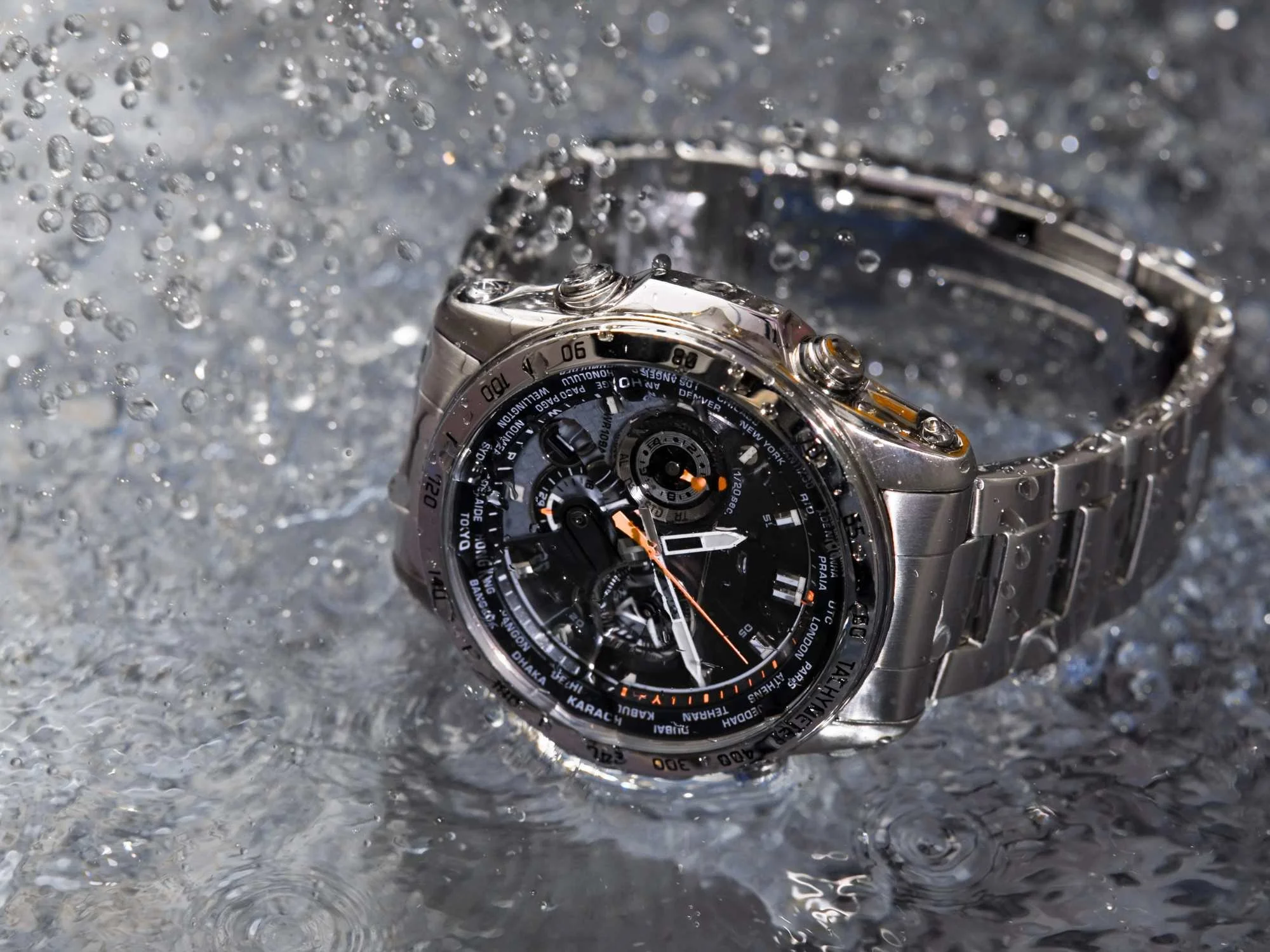
Water Resistant vs Waterproof
One of the biggest misconceptions about watches is that water-resistant and waterproof mean the same thing.
In reality, very few watches are truly waterproof. Most are designed to withstand a certain amount of water exposure under specific conditions.
Whether you're caught in the rain, washing your hands or planning to wear your watch while swimming, it's important to understand the limits of your watch's water resistance.
Understanding Water Resistance Ratings
Water resistance ratings are usually measured in metres or atmospheres (ATM). These ratings indicate the level of pressure a watch was able to withstand during testing.
However, they don't directly translate into real-world depths.
As a general guide:
30 Metres (3 ATM)
Suitable for everyday splashes, hand washing and rain.
50 Metres (5 ATM)
Suitable for occasional exposure to water but not generally recommended for swimming.
100 Metres (10 ATM)
Generally suitable for swimming and snorkelling.
200 Metres and Above
Designed for more demanding water activities, including diving.
Always check the manufacturer's guidance for your specific watch, as recommendations can vary between brands.
Water Resistance Doesn't Last Forever
Many people are surprised to learn that water resistance isn't permanent.
Your watch relies on a series of rubber gaskets and seals to keep moisture out. Over time, these components naturally age and wear.
Factors that can affect water resistance include:
Ageing seals and gaskets
Accidental knocks and impacts
Exposure to chemicals
Extreme temperature changes
Improper battery replacement or servicing
A watch that was water-resistant when new may not offer the same protection years later.
Why Water Damage Is So Expensive
Water damage is one of the most common causes of serious watch repairs.
Once moisture enters the watch, it can affect multiple components at the same time. Corrosion can begin surprisingly quickly, damaging electrical contacts, movements and delicate internal parts.
Even if the watch appears to be working normally at first, problems can develop later as corrosion spreads.
What starts as a small amount of moisture can eventually lead to a much more costly repair.
Common Causes of Water Damage
Many cases of water damage don't happen while swimming.
Common causes include:
Wearing a watch in the shower. Why You Shouldn't Wear a Watch in the Shower
Exposure to hot tubs or steam rooms
Ageing seals
Battery changes carried out without replacing damaged gaskets
Leaving crowns partially open
Sudden temperature changes
It's often everyday habits, rather than dramatic accidents, that lead to moisture entering a watch.
Warning Signs to Look Out For
If moisture enters your watch, you may notice:
Condensation under the glass
Fogging that appears and disappears
Water droplets inside the watch
A watch that suddenly stops working
Unusual timekeeping issues
These signs should never be ignored.
If you've noticed moisture or fogging inside your watch, you may find our guide to Why Is There Condensation Inside My Watch? helpful, as this is often the first visible sign that water has entered the case.
Tips for Protecting Your Watch
A few simple precautions can help preserve your watch's water resistance:
Remove your watch before water-related activities if you're unsure of its rating.
Avoid pressing buttons or operating the crown while the watch is wet.
Make sure that the crown is properly pushed or screwed down at all times.
Rinse your watch with fresh water after exposure to seawater or pool chemicals.
Avoid sudden temperature changes, such as jumping into cold water after sunbathing.
Dry your watch thoroughly after exposure to water.
Have seals and gaskets checked periodically.
Consider regular pressure testing if your watch is frequently exposed to water.
These simple habits can significantly reduce the risk of water damage.
Final Thoughts
Water resistance is a valuable feature, but it isn't something that should be taken for granted.
Understanding your watch's limitations, maintaining its seals and acting quickly if you notice signs of moisture can help prevent costly repairs and extend the life of your watch.
A little care goes a long way when it comes to protecting your watch from water damage. By understanding what your watch is designed to handle and keeping up with regular maintenance, you can enjoy your timepiece with confidence for years to come.