If you've noticed a misty patch or tiny droplets under the glass of your watch, it's natural to wonder whether it's something to worry about.
The short answer is yes.
Condensation inside a watch is usually a sign that moisture has found its way inside the case, and it's best dealt with sooner rather than later.
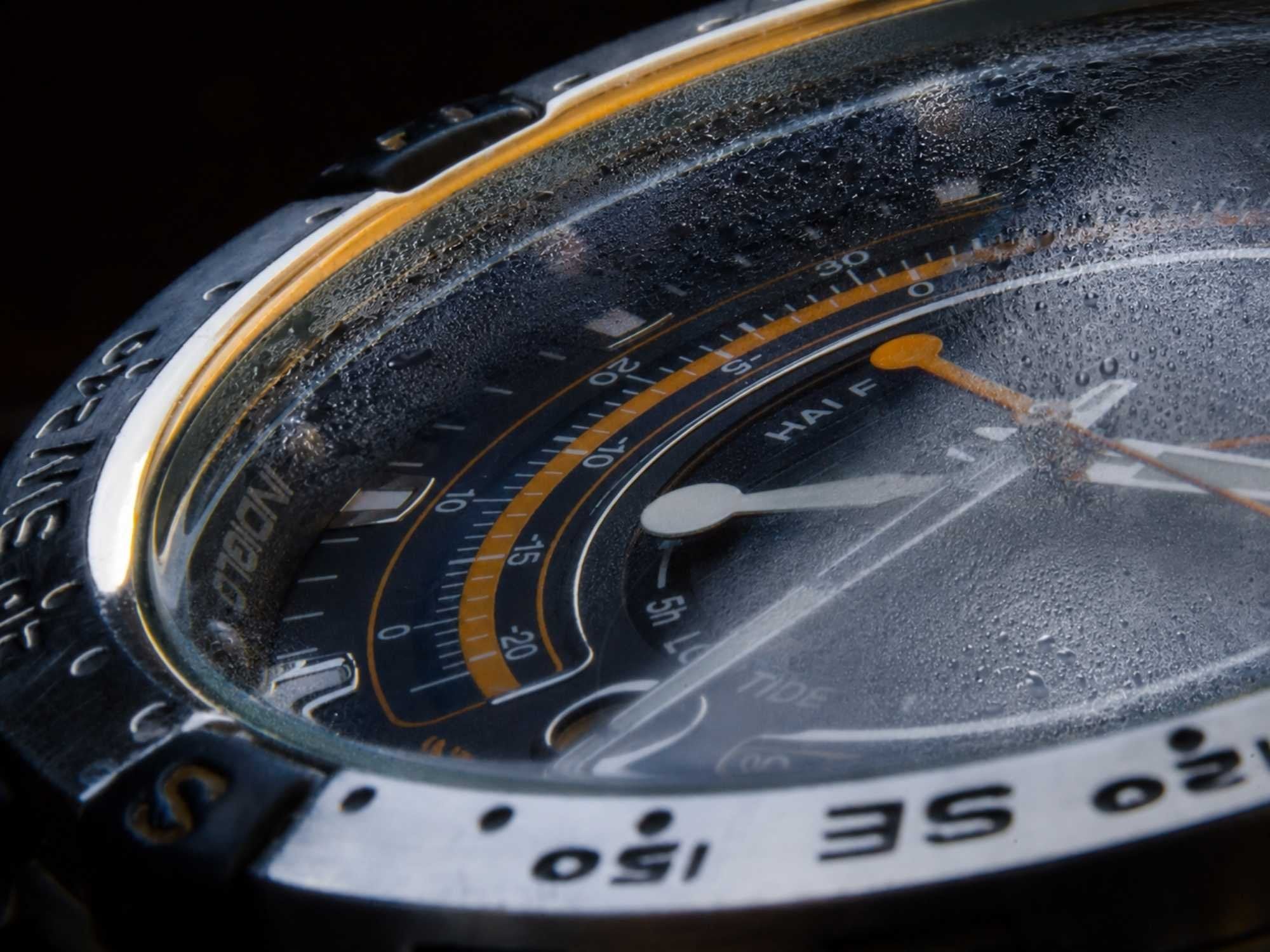
What Causes Condensation?
Condensation forms when moisture inside the watch reacts to changes in temperature.
This often becomes noticeable when:
Moving from a cold environment to a warm one
Wearing the watch in hot weather
Taking a shower while wearing the watch. Find out Why You Shouldn’t Wear a Watch in the Shower
Swimming or water exposure
The moisture may only become visible under certain conditions, but if you can see condensation, water has already entered the watch.
Why It's a Problem
Watches contain delicate metal components that are not designed to operate in damp conditions.
Even a small amount of moisture can lead to:
Corrosion
Rust
Electrical faults
Reduced accuracy
Permanent damage
The longer moisture remains inside, the greater the risk.
But My Watch Is Water Resistant
This is something we hear regularly.
Water resistance relies on seals and gaskets that wear over time.
A watch that was perfectly water-resistant when new may no longer offer the same protection years later.
A small weakness in a seal is often all it takes for moisture to enter.
You can read more about water resistance in the guide: Is My Watch Waterproof? What Water Resistance Really Means
Can Condensation Disappear On Its Own?
Sometimes the fogging appears to clear after a few hours.
Unfortunately, this doesn't mean the problem has gone away.
The moisture is still inside the watch and can continue causing damage even when it's no longer visible.
What Should You Do?
If you notice condensation:
Avoid further exposure to water.
Remove the watch if possible.
Don't attempt home remedies such as hairdryers or placing it on a radiator.
Arrange for the watch to be inspected.
The sooner the moisture is removed, the better the chance of avoiding further damage.
How Can You Prevent It?
To reduce the risk:
Make sure that the crown is securely closed.
Avoid wearing watches in hot showers
Have seals checked periodically
Replace damaged crowns or case backs
Act quickly if condensation appears
Final Thoughts
Condensation inside a watch should never be ignored.
While it may seem minor, it is often the first visible sign that moisture has entered the case. Dealing with the problem quickly can help prevent corrosion, movement damage and more costly repairs later.
If you've noticed condensation under the glass, we're always happy to take a look and advise on the best course of action.